

Latest News
 Amherst officials cool to bid to double spending hike for regional schools
 One upon a story slam: This year’s Valley Voices winners head to a final competition
 Police investigating bullets striking homes in Belchertown
 Water rate hike eyed to fund new tanks in Hadley
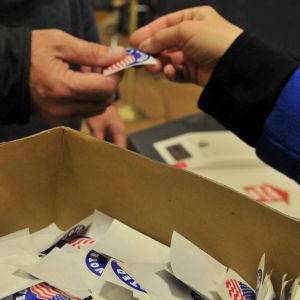 Three vying for two Hadley Select Board seats in sole contested race

Amherst police chief finalists stress anti-racism cred, discuss other issues in separate meetings with public
AMHERST — Both Chelmsford Police Lt. Todd Ahern and Amherst interim Police Chief Gabriel Ting are citing their lived experiences, as well as their significant service to public safety, as reasons they should become the next police chief of the Amherst...
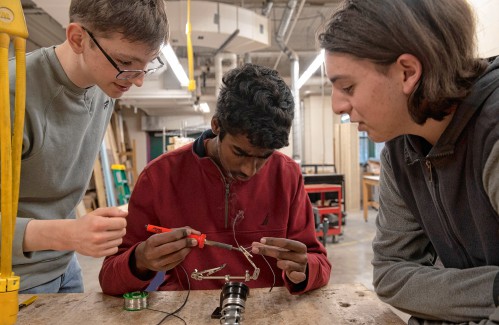
Smart search shirt: AHRS invention group’s garment will report rescuers’ vital signs and location
AMHERST — Often during search-and-rescue efforts, emergency personnel in the field prioritize helping those lost, trapped or otherwise in trouble, rather than focusing on their own safety and well-being.Understanding the risks they take, a group...
Most Read
 Jena Schwartz: Things I have not said
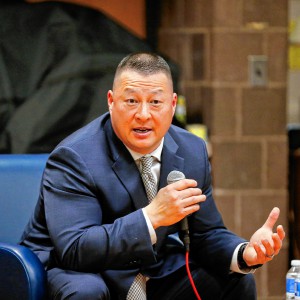 Amherst police chief finalists stress anti-racism cred, discuss other issues in separate meetings with public
 In federal lawsuit, teacher accuses Amherst schools of violating civil rights, other district policies
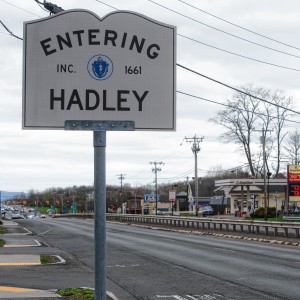 As Hadley works on energy storage bylaw, some question why the town has to allow them at all
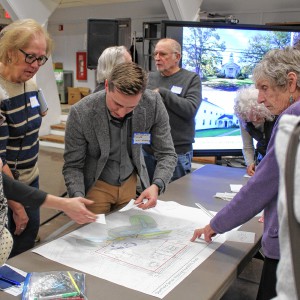 South Deerfield residents share views on senior housing options
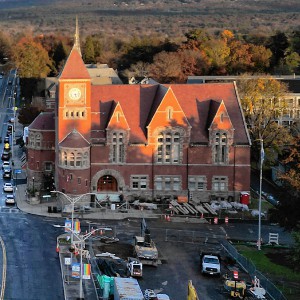 Amherst council approves mandatory rental inspection program
Editors Picks
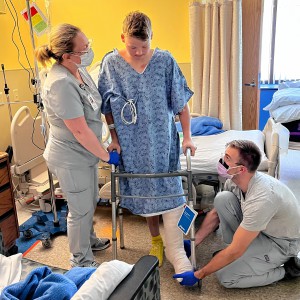 Defying the odds: Hadley’s Owen Earle back competing less than two years removed from horrific accident
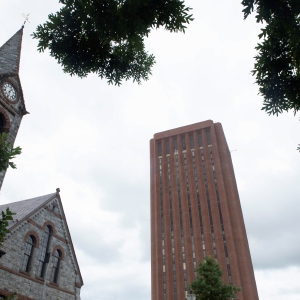 UMass trustees OK 2.5% tuition increase
Jena Schwartz: Things I have not said
UMass trustees OK 2.5% tuition increase
Jena Schwartz: Things I have not said
 Richard S. Bogartz: What the ghosts of Warsaw Ghetto know
Sports
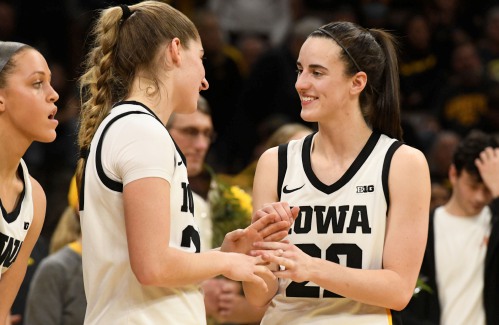
Guest columnist Karen List: A legend made in Iowa
The thousands of women who played high school basketball in Iowa over the years look at the adulation surrounding University of Iowa star Caitlin Clark and think: “That’s about right.”Clark, as you probably know, is the NCAA Division 1 all-time...
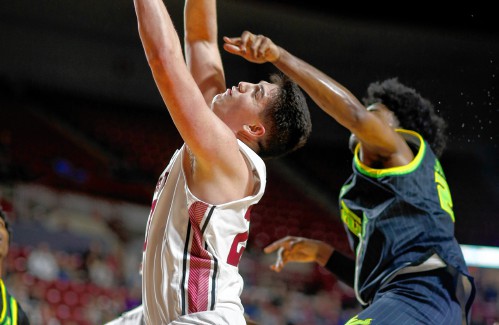 UMass basketball: Josh Cohen, Robert Davis Jr. first Minutemen to enter transfer portal
 UMass confirms sports programs moving to the Mid-American Conference as it becomes 13th member
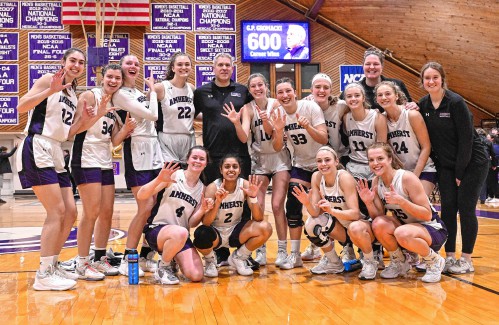 Amherst College women’s basketball coach Gromacki fastest in NCAA history to reach 600 wins
 UMass basketball: Matt Cross leads balanced Minutemen past Saint Louis for first A-10 road wi
Opinion

Guest columnist Dr. David Gottsegen: Age issue not so key as question of marbles
A poll published in The New York Times on Sunday, March 3, found that nearly half of voters now strongly agree that Joe Biden is “too old” to be president, more than twice the number of voters who strongly agree that Donald Trump is “too old.” People...
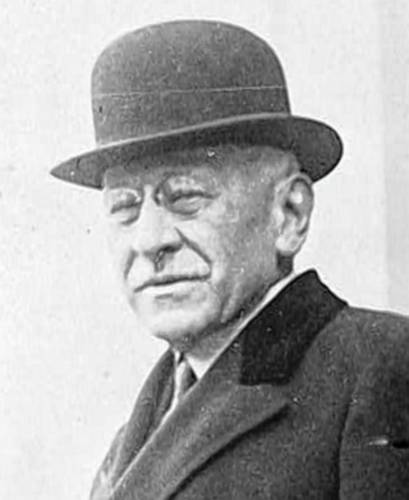 Guest columnist Martha Hanner: Spirit of philanthropy can uplift so many others
 Guest columnist Ali Wicks-Lim: Racism is in our way
 Columnist Johanna Neumann: Halfway there — 2023 a year for major green projects in Amherst
 Jeff Lee: Amherst needs info before raising Jones borrowing cap

Arts & Life

Preserving a key part of Emily Dickinson’s legacy: Historic Evergreens house reopens at the Emily Dickinson Museum
Between the “Dickinson” series on Apple TV+ and movies such as 2016’s “A Quiet Passion,” interest in Emily Dickinson has grown in the last several years, even beyond the already intense admiration that existed for her poetry among readers and literary...
 The Beat Goes On: Chamber music at The Drake, a Saint Patrick’s weekend musical smorgasbord, and more
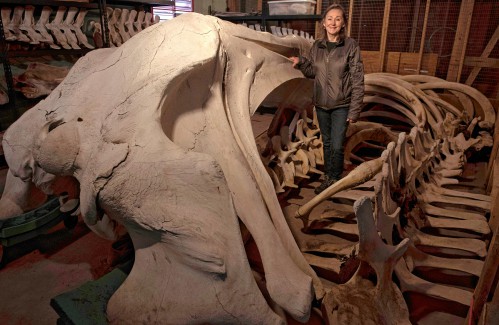 Speaker for the whales: Indigenous artist interprets endangered right whale’s legacy and meaning
 The ABCs of children’s books: ‘Alphabet Soup’ at the Eric Carle Museum looks at how picture books come to life
 Crossing borders: Hadley author’s short story collection explores the human stories behind immigration