

 State OKs Valley Green Energy program for Amherst, Northampton, Pelham
 Darcy Dumont: Three-town electricity aggregation approved
 The Lehrer Report: May 17, 2024
 Three candidates for two Select Board seats make pitches in Hadley
 UMass graduation speaker Colson Whitehead pulls out over quashed campus protest
 Amherst College faculty join students in urging divestment from military suppliers to Israel
 South County Senior Center opts not to renew church lease after rift over LGBTQ program
 Around Amherst: High school sleuths point out $2M mistake in town budget
 Get Growing with Mickey Rathbun: Venture beyond your garden walls: Plant sales and noteworthy gardens to visit this season

UMass chancellor defends protest crackdown, arrests
AMHERST — University of Massachusetts Chancellor Javier Reyes defended the arrests of 134 people at a campus pro-Palestinian encampment last week, telling a special session of the Faculty Senate on Tuesday afternoon that the decision to break up the...

Jones trustees ask Amherst town manager to reject library bid
AMHERST — Trustees for the Jones Library are recommending that the lone bid for renovating and expanding the Jones Library, which is at least $6.5 million above projected costs, should be rejected.In 6-0 vote, the elected trustees advised Town Manager...
Most Read
 June dates set for big school vote in Belchertown
 Don Michak: Dig deeper after scandalous court ruling in Soldiers' Home case
 Susan Tracy: Support Ukraine funding
 Political newcomer defeats Shores Ness for Deerfield Selectboard seat
 Granby Bow and Gun Club says stray bullets that hit homes in Belchertown did not come from its range
 Annette Pfannebecker: Vote yes for Shores Ness and for Deerfield
Editors Picks
 Plans to overhaul Amherst’s War Memorial Pool site questioned
 Deerfield’s Tilton Library expansion ‘takes a village’
 Overlooked no more: Leverett artist’s woodcut prints celebrate remarkable women of the past
 Guest columnist Laura Briggs: Why send police to halt a peaceful protest at UMass?
Sports

UMass basketball: Matt Cross announces he’s transferring to SMU for final year of eligibility
AMHERST — The decision every UMass men’s basketball fan has been waiting for was finally made on May 6.Minutemen star and First Team All-Atlantic 10 forward Matt Cross — the backbone of UMass’ team for the past two seasons — has committed to SMU, he...
 The Real Score: Curveballs and casinos rarely save cities
 Defying the odds: Hadley’s Owen Earle back competing less than two years removed from horrific accident
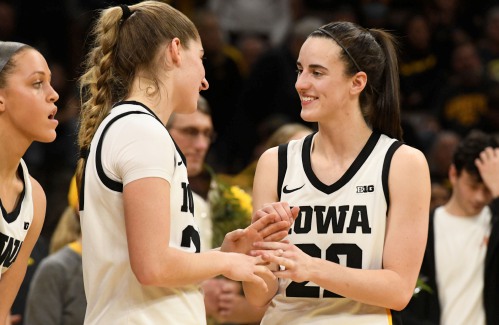 Guest columnist Karen List: A legend made in Iowa
 UMass basketball: Josh Cohen, Robert Davis Jr. first Minutemen to enter transfer portal
Opinion

Guest columnist Rudy Perkins: Dangerous resolution pins ‘aggression’ on Iran
Both the Iranian government’s bombing of Israel and the Israeli government’s bombing of Iran are extremely perilous for the Middle East and the United States. That is why the dangerously one-sided U.S. congressional resolution, H.Res. 1143,...
 Richard S. Bogartz: What the ghosts of Warsaw Ghetto know
 Guest columnist Dr. David Gottsegen: Age issue not so key as question of marbles
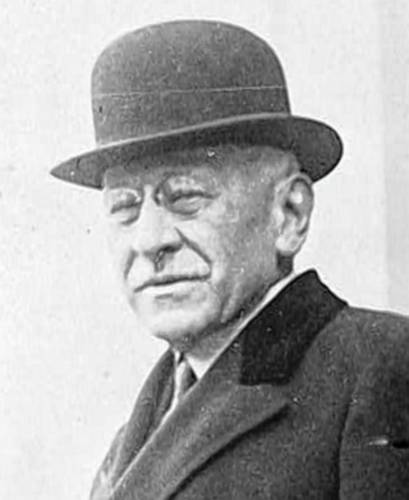 Guest columnist Martha Hanner: Spirit of philanthropy can uplift so many others
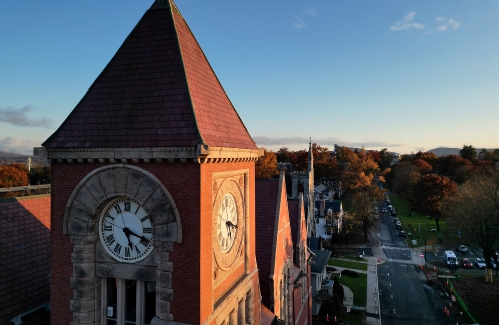 Guest columnist Ali Wicks-Lim: Racism is in our way

Arts & Life

A DIY approach to flying: Local pilots build and help build their own aircraft
If you build it … you can fly it, too.As Peter Elsea and Jason Lorusso have discovered in recent years, there’s a special satisfaction in building your own plane — or at least assisting in that construction — that can make the experience of flying...
 You’re up next: Western Mass open mic scene heats up post-pandemic
 One upon a story slam: This year’s Valley Voices winners head to a final competition
 Preserving a key part of Emily Dickinson’s legacy: Historic Evergreens house reopens at the Emily Dickinson Museum
 The Beat Goes On: Chamber music at The Drake, a Saint Patrick’s weekend musical smorgasbord, and more