
Latest News
 Political newcomer defeats Shores Ness for Deerfield Selectboard seat
 ‘Home away from home’: North Amherst Library officially dedicated, as anonymous donor of $1.7M revealed
 Granby Bow and Gun Club says stray bullets that hit homes in Belchertown did not come from its range
 Funding will limit ARHS track/field makeover to cheapest option
 Town manager’s plan shorts Amherst Regional Schools’ budget
 New Hopkins Academy athletic fields nearing completion
 Ken Rosenthal: Time to change direction on Jones Library
 Guest columnist Dr. Meghan Gump: Dear Patients — We hear you!
 Guest columnist Marietta Pritchard: Landlines and more in our parallel universe

A DIY approach to flying: Local pilots build and help build their own aircraft
If you build it … you can fly it, too.As Peter Elsea and Jason Lorusso have discovered in recent years, there’s a special satisfaction in building your own plane — or at least assisting in that construction — that can make the experience of flying...

Sharing a few notes: High schoolers coaching younger string players one on one
Carefully holding and balancing his violin, 12-year-old Heedo Noh, a Fort River School sixth grader, gets a suggestion for positioning the bow so it runs straight across the strings as he practices G.F. Handel’s “Chorus from Judas Maccabaeus.”“Good,”...
Most Read
Editors Picks
 ValleyBike to roll again by end of May in eight communities throughout Valley
 Earth Matters: Honoring a local hero: After 40 years, Hitchcock Center bids farewell to educator and creative leader, Colleen Kelley
 Valley writers shine in initial round of Mass Book Award competition: 12 area authors and author/illustrators long-listed for 2024 awards
 Wheeling for Healing returns to South Deerfield to raise money for cancer treatment
Sports

The Real Score: Curveballs and casinos rarely save cities
About 10 years ago, the two major urban centers of central and western Massachusetts decided to engage in new regional industrial policy to spur on their local economies. Worcester and Springfield had been effectively hollowed out by decades of...
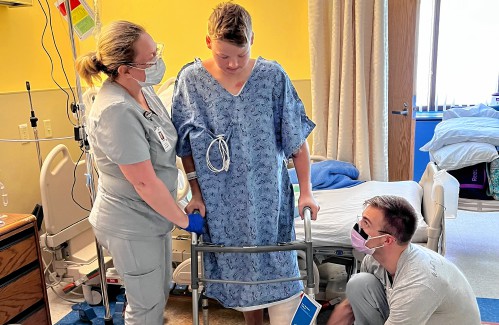 Defying the odds: Hadley’s Owen Earle back competing less than two years removed from horrific accident
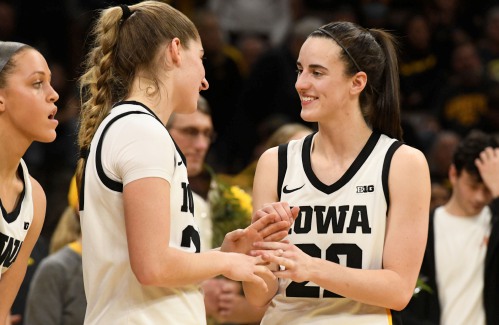 Guest columnist Karen List: A legend made in Iowa
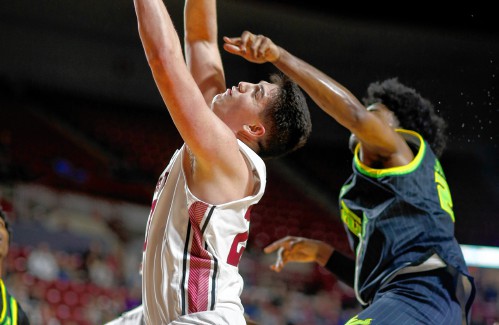 UMass basketball: Josh Cohen, Robert Davis Jr. first Minutemen to enter transfer portal
 UMass confirms sports programs moving to the Mid-American Conference as it becomes 13th member
Opinion

Guest columnist Rudy Perkins: Dangerous resolution pins ‘aggression’ on Iran
Both the Iranian government’s bombing of Israel and the Israeli government’s bombing of Iran are extremely perilous for the Middle East and the United States. That is why the dangerously one-sided U.S. congressional resolution, H.Res. 1143,...
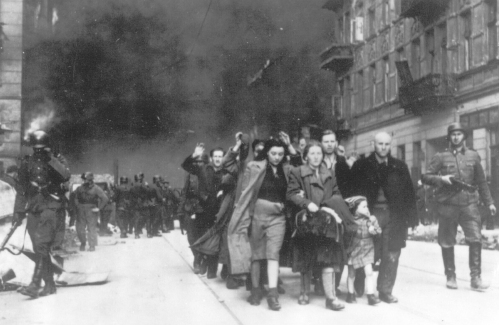 Richard S. Bogartz: What the ghosts of Warsaw Ghetto know
 Guest columnist Dr. David Gottsegen: Age issue not so key as question of marbles
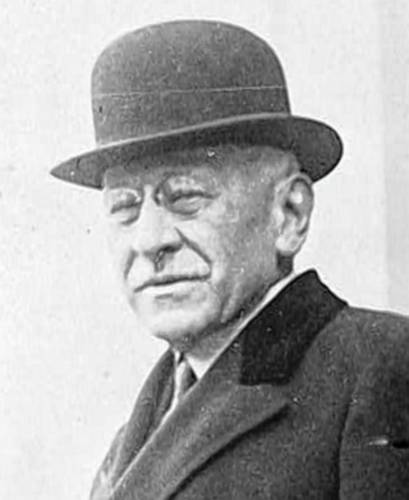 Guest columnist Martha Hanner: Spirit of philanthropy can uplift so many others
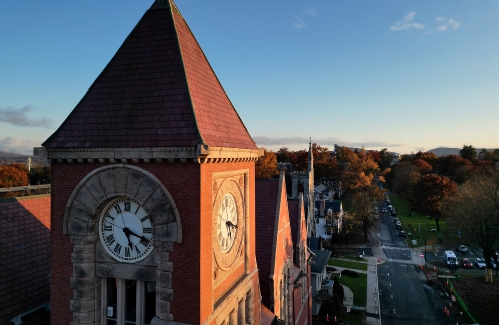 Guest columnist Ali Wicks-Lim: Racism is in our way

Arts & Life
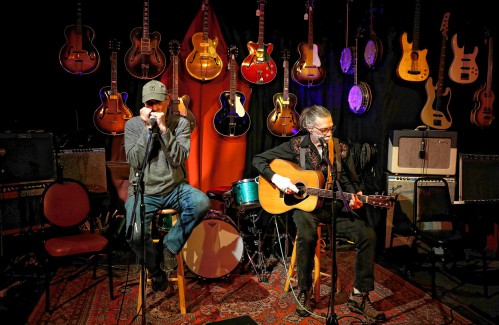
You’re up next: Western Mass open mic scene heats up post-pandemic
Not so long ago, there was a general lament sometimes heard among Valley musicians: “There aren’t enough places to play around here.”That might have been true for professional players who wanted to be paid — and maybe, despite the opening of new local...
 One upon a story slam: This year’s Valley Voices winners head to a final competition
 Preserving a key part of Emily Dickinson’s legacy: Historic Evergreens house reopens at the Emily Dickinson Museum
 The Beat Goes On: Chamber music at The Drake, a Saint Patrick’s weekend musical smorgasbord, and more
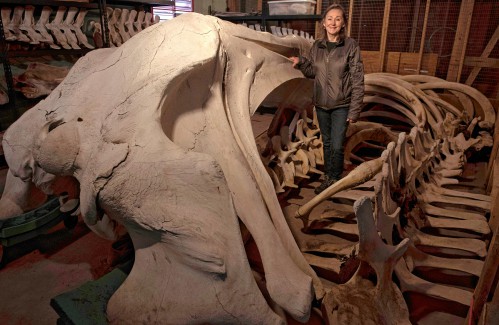 Speaker for the whales: Indigenous artist interprets endangered right whale’s legacy and meaning